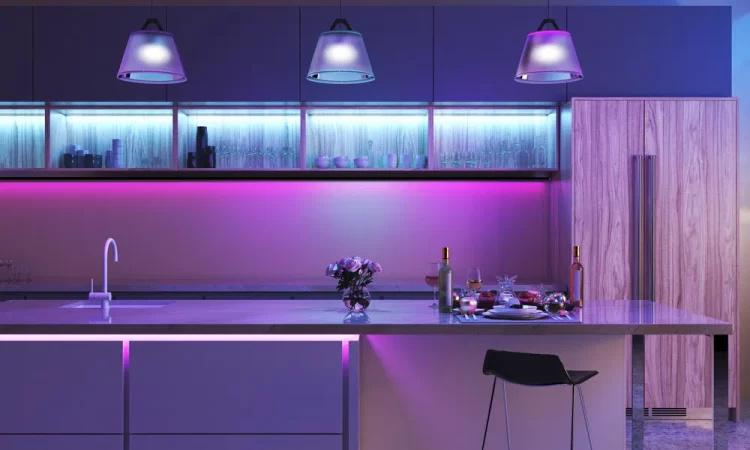
In recent years, LED lighting has become a cornerstone of modern illumination, offering energy-efficient, versatile solutions for a wide range of needs. Among the many options available, LED strip lights and LED modules stand out as popular choices for both commercial and residential projects. Understanding the differences between these two types of lighting and knowing what to consider when sourcing from suppliers can help ensure you make the best decisions for your specific applications.
What Are LED Strip Lights?
LED strip lights are flexible circuit boards embedded with multiple light-emitting diodes (LEDs), usually coated with a protective layer. Their flexibility allows them to be installed in tight or irregular spaces, making them perfect for accent lighting, architectural highlights, or decorative purposes. Whether it’s outlining shelves, illuminating coves, or adding ambiance to a room, LED strip lights offer a subtle and efficient lighting solution.
They come in various types, including single-color, RGB (color-changing), and tunable white versions. This variety allows users to choose the exact lighting effect they want, from warm, cozy tones to vibrant, dynamic displays. Additionally, many LED strip lights feature adhesive backing, simplifying installation for both professionals and DIY enthusiasts.
When considering led strip lights suppliers, it’s important to look beyond just cost. Factors like product quality, certifications, and the ability to customize solutions play a vital role in finding the right partner. A supplier who offers reliable delivery and responsive support can make a significant difference in the overall experience.
What to Consider When Choosing LED Strip Lights Suppliers
Quality is crucial — well-made LED strips tend to last longer, perform better, and offer consistent lighting without flickering or dimming prematurely. Certifications such as CE or RoHS compliance indicate adherence to safety and environmental standards, which can be a good marker of supplier reliability.
Customization is another key consideration. Some projects require specific lengths, color temperatures, or waterproof ratings, so finding suppliers who can accommodate tailored requests is beneficial. Furthermore, reliable delivery schedules and responsive customer service make working with suppliers much smoother.
Getting to Know LED Modules
While LED strip lights are flexible and continuous, LED modules are typically rigid units that house multiple LEDs and related components in a compact assembly. These modules are often used for signage, backlighting, and industrial lighting applications where precise, bright illumination is required.
LED modules come in various configurations, often designed for easy installation and replacement. Their modular nature allows for creating larger lighting systems by combining multiple units. This makes them a versatile choice when durability and consistent performance are priorities.
When searching for led module suppliers, it’s important to consider a supplier’s reputation for quality control and technical support. Clear communication and supply chain transparency can ensure that project timelines are met without unexpected delays.
Selecting LED Module Suppliers Wisely
Much like with LED strip lights, choosing the right supplier for LED modules means balancing quality, price, and service. A supplier’s reputation for quality control can directly impact the lifespan and performance of the modules you purchase. It’s also useful to consider the supplier’s technical support capabilities, especially if your project requires custom solutions or technical integration.
Logistics and supply chain transparency are other factors worth noting. Timely delivery and clear communication can be critical in projects with tight deadlines. Some suppliers offer detailed product datasheets and certifications, which provide peace of mind about the product’s reliability and specifications.
LED Strip Lights vs. LED Modules: Understanding the Differences
At first glance, LED strip lights and LED modules might seem interchangeable since both use LED technology, but their design and applications vary significantly. LED strips are more flexible, suited for decorative and indirect lighting, while modules are rigid and often employed for signage or more focused lighting needs.
Choosing between them depends on your project’s requirements. If you need a customizable, flexible lighting solution to create ambiance or highlight architectural features, LED strip lights are usually the best fit. Conversely, if your priority is durable, high-intensity lighting for commercial signs or industrial environments, LED modules tend to perform better.
Emerging Trends and Future Directions in LED Lighting
The LED lighting industry continues to evolve rapidly, with innovations aimed at improving efficiency, color quality, and environmental impact. Advancements in smart lighting controls allow for seamless integration with building automation systems, offering personalized lighting experiences while reducing energy use.
Sustainability is also a growing focus, with manufacturers developing LEDs that use less power and have longer lifespans. Recycling initiatives and eco-friendly materials are becoming more common, reflecting the industry’s response to global environmental challenges.
Conclusion:
Navigating the world of LED lighting requires a good understanding of the available products and the qualities that define dependable suppliers. Whether you’re considering LED strip lights or LED modules, paying attention to product features, supplier credibility, and your project’s specific needs will guide you toward a solution that balances performance and value.