
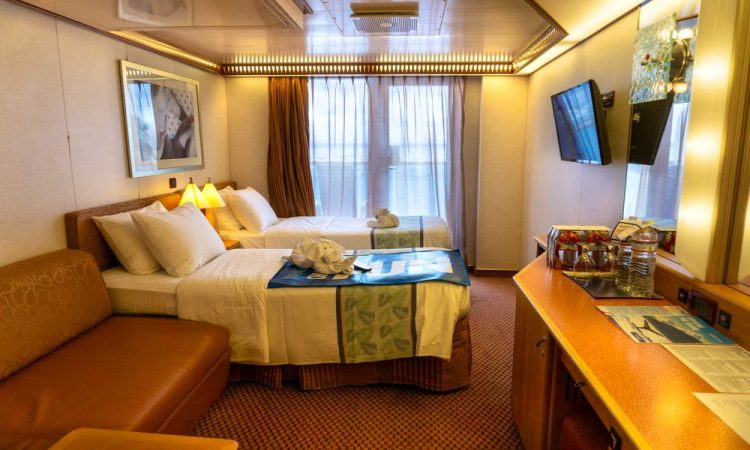

Cruise cabins serve as both a retreat and a practical base during a voyage. Photos often make rooms appear larger than expected, yet the true measure of comfort comes from how well the space supports daily life. Understanding what cruise cabins offer in size and storage helps travelers choose the right category and pack with confidence.
Understanding cabin square footage
Cabin sizes vary by ship and category. Interior rooms typically range from 120 to 160 square feet. Ocean view cabins add a window and often a few extra feet. Balcony staterooms usually fall between 180 and 220 square feet, including the outdoor space. Suites provide more generous layouts with separate seating areas and larger bathrooms.
These numbers may seem small compared to hotel rooms, though cruise cabins are designed for efficiency. Furniture placement, built-in storage and thoughtful layouts make the space feel workable even when square footage remains modest.
How layout affects comfort
A well-designed cabin uses every inch wisely. Beds often convert from two twins to a queen, freeing up floor space during the day. Nightstands, desks and wardrobes are built into the walls, which prevents clutter.
Balcony cabins feel more open because natural light and an outdoor area extend the living space. Opening the door to fresh air can change how the room feels, especially on longer sailings.
Storage options you can expect
Most cabins include a wardrobe with hanging space and shelves. Drawers beneath the bed provide room for folded clothes. Many ships also offer a small closet for coats or dresses. Luggage usually fits under the bed, which keeps walkways clear.
Bathrooms feature shelves and a cabinet under the sink. While counter space remains limited, the vertical storage keeps toiletries organized. Hooks on the back of the door or walls provide a place for towels and jackets.
Making the most of limited space
Smart packing plays a major role in cabin comfort. Soft-sided suitcases fit more easily under beds. Packing cubes help separate outfits and keep drawers tidy. Hanging organizers can add storage for shoes or accessories.
Travelers on a Mediterranean cruise often pack for varied weather and activities. Lightweight layers and versatile clothing reduce the number of items needed while still allowing for different outfits.
Differences between cabin categories
Interior cabins offer the lowest price and the smallest footprint. They work well for travelers who spend most of their time on deck or ashore. Ocean view cabins add natural light, which many guests find improves the feel of the room.
Balcony cabins cost more but provide private outdoor space. This can be valuable on scenic routes where views change throughout the day. Suites include larger closets, more seating and sometimes walk-in wardrobes.
Bathroom size and features
Cruise ship bathrooms are compact yet functional. Showers may use a curtain or a glass door. Some ships feature modern designs with good water pressure and storage niches. Toilets use a vacuum system that conserves water, which can sound louder than at home.
While space remains tight, daily housekeeping keeps everything clean and organized. Fresh towels and folded items help the bathroom feel ready for use.
Power outlets and charging
Most cabins include several power outlets near the desk or bed. Newer ships often add USB ports. Travelers with multiple devices may want to bring a small power strip that does not include surge protection, as those are usually prohibited.
Charging stations near the bed make it easier to keep phones and tablets ready for the next day’s plans.
Noise and privacy considerations
Cabin location affects noise levels. Rooms near elevators or above entertainment venues may hear more foot traffic or music. Cabins sandwiched between other staterooms tend to be quieter.
Balconies provide private outdoor space, though sounds from nearby decks can carry. Closing the door helps reduce this when needed.
Living in a small space for days
Spending several days in a compact cabin requires a bit of organization. Unpacking early prevents suitcases from becoming obstacles. Using shelves and drawers as intended keeps the floor clear.
Many travelers adopt a routine of placing items back in their spot after use. This simple habit keeps the room feeling orderly and avoids the sense of crowding that clutter creates.
Comparing cruise cabins to hotel rooms
Hotel rooms usually offer more square footage, though cruise cabins compensate with clever design. Daily cleaning, fresh linens and room service also add to the comfort.
The trade-off comes with the unique setting. A small cabin that opens onto the sea or a port city provides an experience no hotel can match.
Choosing the right cabin for your style
Travelers who value quiet time in their room may appreciate a balcony or suite. Those who treat the cabin mainly as a place to sleep and shower can save money with an interior room.
Considering how much time you plan to spend in the cabin helps guide this decision. Active travelers often find that a smaller space meets their needs without feeling restrictive.
Final thoughts on size and storage
Cruise cabins prioritize function over excess. While smaller than many hotel rooms, they offer all the essentials in a compact footprint. With thoughtful packing and a bit of organization, the space supports a comfortable stay.
Understanding what to expect removes surprises and allows you to focus on the journey itself. From the first night onboard to the final morning at sea, a well-chosen cabin becomes a reliable home base for the adventure ahead.