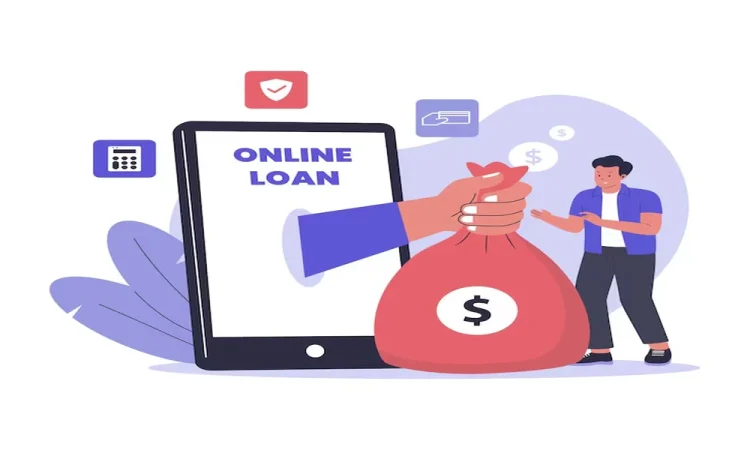
In today’s time where everything from groceries to online shopping to travel is just one tap away, personal loans have also paved their way to online platforms. Times have changed, as compared to earlier when applying for a personal loan meant waiting in long queues at the bank, tedious paperwork and prolonged waiting periods for approval.
The emergence of personal loan apps has revamped the finance industry, introducing convenience, accessibility and speed at your fingertips. As financial emergencies can come up suddenly, having adequate funds or access to an instant cash loan becomes a primary financial resource.
Understanding Instant Loan Apps
An instant loan app is an online service developed to offer immediate and easy access to personal loans. In contrast to traditional banking methods, which usually entail extensive paperwork and lengthy procedures, these apps utilise technology to accelerate the process. By upgrading the automated systems for credit assessment, they can approve and disburse loans in no time.
How To Find The Best Personal Loan App?
With a wide range of personal loan apps available today, selecting the right one can be challenging. However, if you focus on core aspects, it can be a useful aid to discover a personal loan app that aligns with your financial needs. Firstly, consider looking at the app’s overall reputation; reviews and ratings can offer insights related to its reliability and value.
Intuitive user experience and transparent terms are some of the core aspects to look for in a personal loan app. Through a personal loan app, you can opt for an instant loan online, in addition to flexible repayment options and a seamless user experience.
Top Features That Changed The Game Of Loan Apps
With the emergence of loan apps, various features have taken center stage in terms of what they have to offer:
- Quick approval: Borrowers can now get loans within minutes
- Digital transactions: Digital authentication of documents puts an end to the need for heavy paperwork.
- User-friendly interface: A streamlined and easy-to-use interface ensures that even those not acquainted with technology can easily navigate through the app.
Security In Instant Personal Loan Apps
Technology has introduced significant enhancements in security and privacy measures. Advanced encryption standards safeguard borrowers’ personal and financial data from unauthorised access. This guarantees the confidentiality and integrity of the data given by borrowers and eventually leads to trust and confidence in the loan application and approval process.
Here are some essential measures undertaken by banks to ensure robust security and privacy during the digital loan process:
- Two-factor authentication: Borrowers may be asked to offer a second form of identification (such as a unique PIN sent to their phone) to confirm they are the actual borrower and not someone faking their identity.
- Secure SSL encryption: Bank websites have SSL encryption to protect the customer’s personal data.
- Data security: The personal details of borrowers are secured through advanced firewalls, encryption and other protective measures that curb data breaches.
- Systematic security audits: Digital loan platforms undergo regular security audits to ensure they are up-to-date and protected against all threats.
- Privacy policy: Loan platforms have concise privacy terms that highlight how the personal information of borrowers will be used and safeguarded.
Implementing these measures reassures borrowers that their data is safe and secure, thus making them more inclined towards choosing digital loan platforms.
Looking Forward: The Future Of Online Personal Loan Apps
As technological innovations further advance/progress along with changing consumer patterns, such apps are likely to become more instant, streamlined and inclusive.
AI and machine learning play a pivotal role. They are progressing as foundational technologies in the development of financial applications. These mechanisms allow applications to provide personalised user experiences and advanced analytical capabilities.
Mobile banking apps now utilise AI algorithms to evaluate spending patterns, recommend saving strategies and caution users regarding possible risks. This not only enhances financial literacy but also boosts engagement.
The online apps may tend to offer more integrated financial services related to insurance, investment and savings products. As cyber hazards take shape over time, so will the security features of these apps.
Conclusion
The pathway of these online apps from digitization to multiple platforms offering instant, quick and reliable loan options gives rise to a distinct transformation, especially in the financial sector. It is an indication of how technology and innovation can simplify yet offer multiple services to enhance our financial experiences.