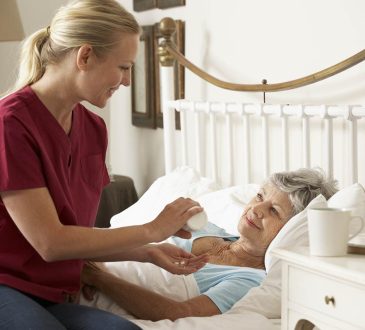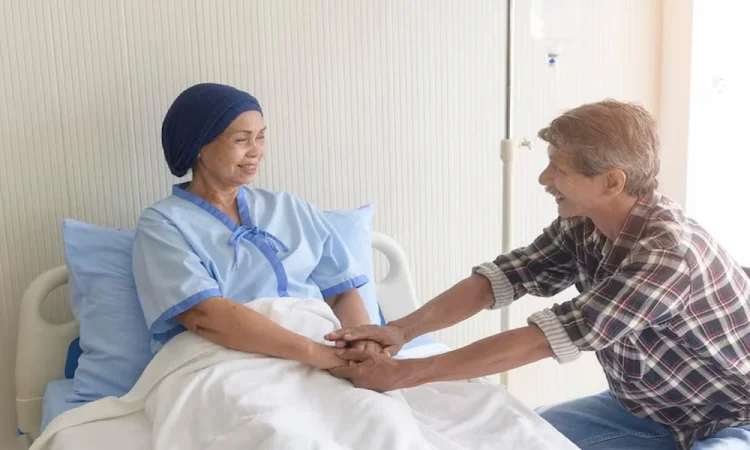
A stronger cancer care journey begins with access to guidance, comfort, and meaningful resources. Patients and caregivers may feel uncertain when they face complex decisions after a neuroendocrine cancer diagnosis. Without proper care, families may struggle to manage concerns beyond medical appointments and treatments.
Wellness programs help support neuroendocrine cancer patients with education, connections, and wellness resources for better care experiences. These resources provide guidance that helps participants and caregivers feel more prepared and emotionally resilient. Let’s learn how these wellness programs improve cancer care experiences with valuable resources.
Provide Reliable Education For Better Care Decisions
Wellness programs give neuroendocrine cancer survivors trusted information that helps them understand their care choices. Access to clear resources can help patients with knowledge about conditions, treatments, and available assistance. Educational materials and expert resources help reduce confusion when people face complex medical decisions. These programs allow participants and caregivers to prepare better questions for healthcare conversations with confidence.
Create Emotional Strength Through Compassion
A cancer diagnosis can affect emotional health, which makes personal support an important part of the care experience. These programs create spaces where participants and caregivers can connect with others who share similar challenges. These connections provide encouragement, comfort, and reassurance during difficult moments in the cancer journey. Here are key ways they create connection and compassion:
Ways Wellness Programs Build Connection And Compassion
- Provide patient communities for sharing personal experiences.
- Offer peer connections with people facing similar challenges.
- Create support groups that encourage emotional conversations.
- Provide resources that help families manage cancer concerns.
- Build strong relationships through shared wellness experiences.
Offer Wellness Resources To Improve Comfort
The wellness programs include treatment resources that focus on emotional balance and personal comfort needs. Activities such as wellness sessions and supportive programs help participants focus on relaxation and self-care practices. These resources complement medical care by addressing emotional distress that affects overall quality of life. Participants can discover helpful approaches that encourage calmness, confidence, and better coping skills.
Help Newly Diagnosed Patients Understand Their Next Steps
A new diagnosis can create uncertainty about treatment options, resources, and the right path forward. Wellness programs provide guidance that helps newly diagnosed patients understand available information and care resources. They can access helpful tools that prepare them for conversations with healthcare professionals and families. This assistance creates a clearer direction for people who need reliable care after diagnosis.
Help Connect With Shared Experiences And Peer Support
Peer support programs allow participants to communicate with others who understand neuroendocrine cancer challenges. These connections provide personal encouragement and valuable insights from people with similar experiences. Sharing concerns and experiences can help cancer survivors feel more comfortable throughout their individual care journey.
Here are some reasons why these programs can create a positive experience:
Reasons To Join Peer Support Programs
- There is no one to judge your personal cancer experience.
- You can learn about others’ experiences and personal journeys.
- You will feel that you are not alone.
- You can discover new life lessons from others’ stories.
- You can connect with people who understand your challenges.
Improve Access To Resources For Long-Term Care Needs
Long-term care requires access to resources that address changing patient and caregiver needs. Support programs provide educational materials, community connections, and wellness resources for continued assistance. These options help families find useful information when they need guidance at different care stages. Reliable resources allow participants to feel more prepared when managing ongoing cancer-related decisions.
Patient wellness programs provide valuable education, emotional resources, peer connections, and wellness options that improve cancer care experiences. These programs help support neuroendocrine cancer patients through comprehensive guidance and resources that address concerns beyond medical treatment. Connect with reliable nonprofit organizations to learn more about available support resources and care guidance.