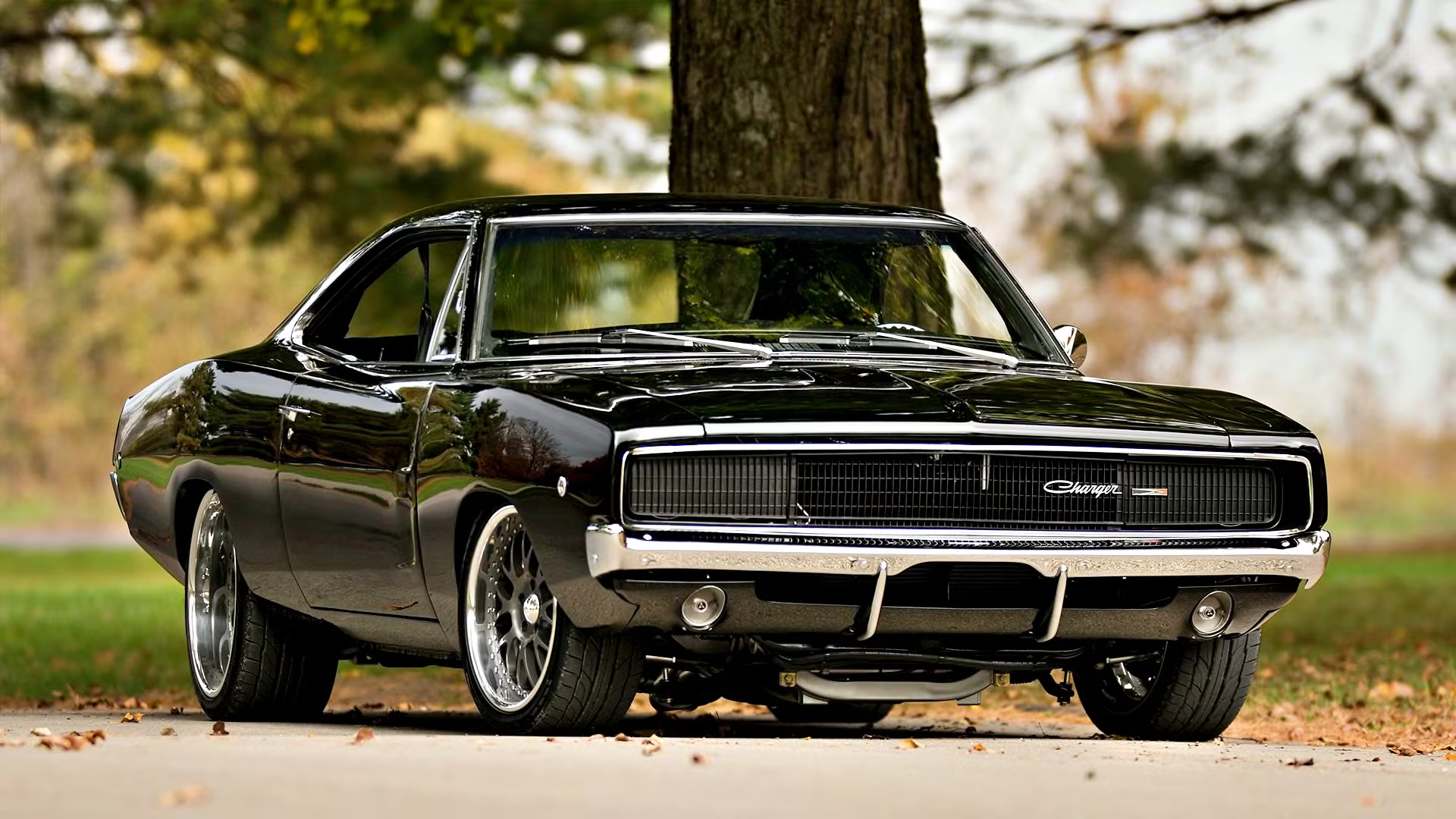
American classic cars command admiration through bold styling, mechanical strength, and cultural significance. These vehicles represent distinct eras marked by innovation, optimism, and expressive craftsmanship. Collectors and enthusiasts continue to celebrate their presence at auctions, car shows, and private collections.
Automotive historians frequently explore what makes a car an American classic when defining this enduring appeal. Age alone does not secure that status; design character, historical impact, and emotional connection all contribute to lasting recognition. A closer look at styling elements and cultural influence reveals why these automobiles remain highly desirable decades after their debut.
Cultural Impact and Enduring Appeal
Classic American automobiles symbolize freedom, prosperity, and creative expression. Postwar production brought dramatic shapes and powerful engines that captured the public imagination. Drive-in theaters, road trips, and motorsport victories strengthened their place in popular culture.
Film and music further amplified their reputation. Iconic models appeared in movies, album covers, and advertising campaigns, reinforcing their association with adventure and individuality. Enthusiasts continue to celebrate these vehicles as artifacts of a defining automotive era.
Signature Exterior Design Elements
- Sweeping tailfins that reflect aerospace inspiration from the mid twentieth century.
- Chrome accents along grilles, bumpers, and trim that enhance visual drama.
- Distinctive body lines that create a sense of movement even at a standstill.
- Wide stances paired with long hoods that emphasize power and presence.
- Vibrant paint colors that highlight sculpted panels and bold proportions.
These exterior features deliver instant recognition. Designers embraced experimentation and artistic expression, which gave each model a memorable personality.
Interior Craftsmanship and Driver Experience
Cabin design received equal attention during the golden age of American automobiles. Bench seats, detailed dashboards, and polished steering wheels reflected a commitment to comfort and style. Instrument clusters displayed clear gauges framed by chrome or brushed metal finishes.
Materials such as leather, vinyl, and patterned fabrics introduced texture and contrast. Spacious layouts provided generous legroom and a relaxed driving posture. These interiors balanced practicality with elegance, which strengthened the bond between driver and machine.
Mechanical Power and Engineering Character
Performance remains central to understanding what makes a car an American classic. Large displacement V8 engines delivered deep exhaust notes and impressive torque, which became defining characteristics of many models. Straight line acceleration and highway cruising capability appealed to drivers seeking excitement and reliability.
Manual and automatic transmissions offered varied driving experiences. Suspension systems prioritized smooth rides on long stretches of open road. Engineering teams focused on durability and serviceability, which ensured that many examples remain operational decades later.
Collectibility and Market Influence
- Limited production numbers increase desirability among collectors.
- Historical milestones, such as debuting new engine platforms, elevate significance.
- Association with motorsport success strengthens prestige.
- Celebrity ownership can enhance perceived value.
- Condition and originality influence auction performance.
Collector interest continues to sustain strong demand for well-preserved examples. Restoration projects, enthusiast clubs, and specialty auctions maintain vibrant communities dedicated to preserving automotive heritage.
Evolution of Style Across Decades
Design trends shifted significantly from the 1950s through the 1970s. Early models showcased dramatic fins and bright trim, while later muscle cars embraced aggressive front fascias and performance-focused aesthetics. Each decade contributed unique interpretations of power and style.
Manufacturers responded to consumer preferences with innovative shapes and improved engineering. Changes in safety standards and emissions regulations also shaped development paths. Despite these transitions, a consistent spirit of bold design and mechanical presence remained evident.
American classic cars continue to captivate enthusiasts through distinctive styling and cultural resonance. Their design features reflect artistry, confidence, and mechanical ambition. Timeless appeal ensures their place in automotive history for generations.