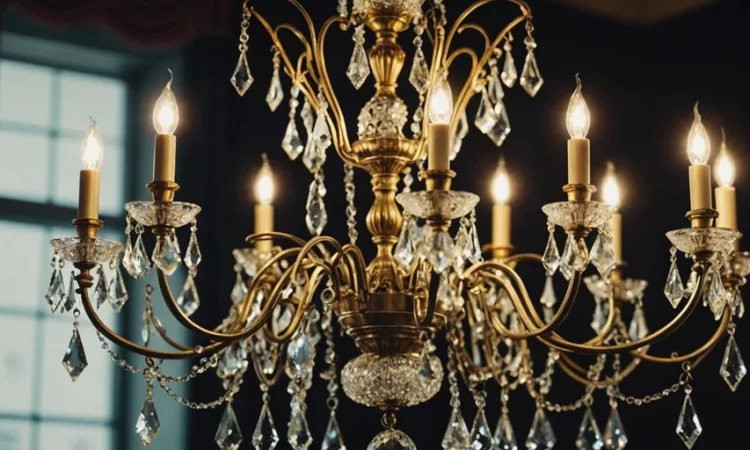
Vintage lighting brings character and charm into any space. These pieces are more than decor; they’re functional works of art. However, finding an authentic item can take effort and attention to detail. Discover what truly matters when choosing the right vintage lighting.
Check for Authentic Craftsmanship
Genuine vintage lighting stands out through its build quality. True pieces are made with durable metals, glass, or wood, not plastic or lightweight alloys. Most authentic lights feel heavier and sturdier in hand. Inspect the joints and welding marks closely for hand-finished details.
Vintage floor lamps are a great example of this lasting craftsmanship. Originals will have solid bases, detailed switches, and high-quality wiring (often updated over time). Mass-produced replicas may mimic the look but lack the quality. A real piece reflects time-tested construction and unique design touches.
Inspect Original Parts and Features
Small details can reveal a lot about a light’s origin. Original knobs, cords, or even bulbs (if preserved) can hint at the item’s true age. Be cautious of pieces that have all-new hardware, and they might be remakes rather than restored classics. A few upgrades are common, but too many can mean it’s a reproduction.
Ask about rewiring and whether any parts were replaced. Rewiring for safety is normal, but you’ll want to know what has changed. Items with their original labels, tags, or manufacturing stamps are ideal. If you spot clear branding from known makers, that’s a good sign of authenticity.
Evaluate Style and Period Accuracy
Each design period had its own signature lighting styles. Mid-century pieces often feature sleek lines, brass accents, and minimalist shapes. Art Deco lighting uses bold symmetry and geometric forms. Knowing what style fits the period helps you make smarter choices.
Don’t focus solely on appearances; investigate the typical materials and finishes from that period. A lamp may appear vintage, but materials like plastic, certain screws, or glossy chrome could give away a newer build. Authentic pieces typically age with a natural patina rather than an artificial shine.
Look for These Key Quality Indicators
Before committing to a vintage purchase, it’s smart to know what features separate genuine items from modern reproductions.
When searching for a vintage light, several signs can confirm its authenticity:
- Weight: Heavier lights are often older and better built
- Wear Patterns: Natural scuffs, scratches, and faded paint show real age
- Maker’s Mark: Stamps or labels from known brands
- Switch Style: Push-button or rotary knobs over modern toggles
- Material Quality: Brass, copper, or thick glass over plastic or resin
While imperfections might worry some buyers, they often add to a piece’s story. Original finishes, aged brass, or timeworn shades offer a beauty that new products can’t duplicate.
Ask for Provenance or Background
Whenever possible, get the backstory of the light you’re buying. Dealers who specialize in vintage often know the source of their items. That background adds credibility and character to your purchase. Even learning whether it came from a factory, hotel, or theater can make it more meaningful.
Some sellers provide paperwork or photos of the piece in its original setting. It also helps verify whether repairs or changes have been made over time. The more history you can trace, the better informed your decision will be.
Finding genuine vintage lighting takes more than just picking a beautiful piece. It involves checking for solid construction, original parts, period accuracy, and traceable history. Vintage floor lamps, for instance, can be ideal for those wanting a functional and stylish touch rooted in design heritage. Focus on these features to choose a piece that brings both authenticity and character to your space.