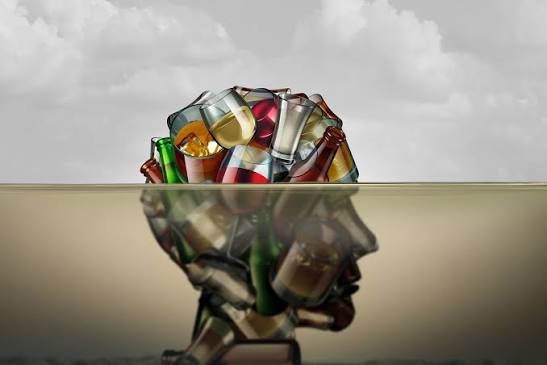
Alcohol is often used as a quick way to take the edge off anxiety. For a few hours, it may seem to quiet racing thoughts, ease social discomfort, or make sleep feel more possible. The problem is that this relief is temporary. For many people, alcohol and anxiety begin to feed each other, creating a cycle that gets harder to break over time.
Understanding that cycle matters, especially when someone is trying to decide whether stress drinking has crossed into something more serious. Resources such as Luxury Rehab often address this overlap because alcohol misuse and mental health symptoms so often show up together.
Why alcohol can seem to help anxiety at first
Alcohol slows activity in the central nervous system, which can create a short-lived sense of calm. Someone with generalized anxiety, panic symptoms, or social anxiety may feel looser, less self-conscious, and less overwhelmed after drinking. That effect can be reinforcing. The brain starts to learn that anxiety goes down, at least briefly, when alcohol goes up.
According to the National Institute on Alcohol Abuse and Alcoholism, alcohol can produce relaxing effects in the short term, but heavy or repeated use can worsen mental health symptoms and increase the risk of alcohol use disorder.
How the cycle turns against you
1. Anxiety shows up
The trigger may be work pressure, conflict, loneliness, trauma, or a constant baseline of worry that never fully shuts off.
2. Alcohol brings short relief
A drink can feel like a solution because it changes the body quickly. That speed is part of what makes the pattern sticky.
3. The rebound hits
As alcohol leaves the system, the nervous system can swing back in the other direction. Sleep becomes lighter. Heart rate may rise. Irritability and dread can return stronger than before. For some people, this looks like “hangxiety,” a spike in anxious feelings after drinking.
4. Drinking becomes the answer again
Once alcohol is used to manage the rebound, the cycle starts repeating. Over time, tolerance can build, which means it may take more alcohol to get the same effect.
When anxiety and alcohol misuse need treatment together
This is where many people get stuck. If treatment focuses only on drinking, the anxiety that helped drive it may still be there. If treatment addresses only anxiety, alcohol use may keep undermining progress. The National Institute of Mental Health notes that anxiety disorders are common and can interfere significantly with daily life, which helps explain why people may turn to substances for relief.
Integrated care is often the better fit. That may include therapy, psychiatric evaluation, careful detox planning when needed, and a structured setting such as inpatient rehab treatment centers for people whose drinking has become difficult to control.
What families and individuals should watch for
- Drinking specifically to calm nerves, sleep, or get through social situations
- More anxiety the day after drinking
- Panic, shakiness, or restlessness when cutting back
- Failed attempts to limit alcohol
- Anxiety symptoms that persist even during sober periods
If those signs are present, the issue is rarely just “stress.” It may point to a pattern that needs both mental health and substance use support, including mental health treatment centers that understand how closely these conditions can overlap. Breaking the cycle usually starts with treating the reason alcohol became a coping tool in the first place.